INVESTING IN
WHAT MATTERS MOST

Every dollar of additional funding must deliver real improvements for students, teachers and support staff. Based on extensive research and educator feedback, these are our six top priorities:

ACHIEVING
EXCELLENCE

Smaller Class Sizes

Research shows a direct link between class size and the learning outcomes for students. Smaller classes allow teachers to provide more individualised attention, identify learning gaps earlier, and create more engaging, interactive lessons.

Smaller classes also mean better behaviour management and a more positive classroom environment for everyone.

In the 1990s, the average class size was 24 students. Today it's 28. We need to reverse this trend.

Key Points:

  • Reduce average class sizes to 20 students or fewer
  • Prioritise smaller classes in early years and disadvantaged schools
  • Hire additional teachers to make this possible

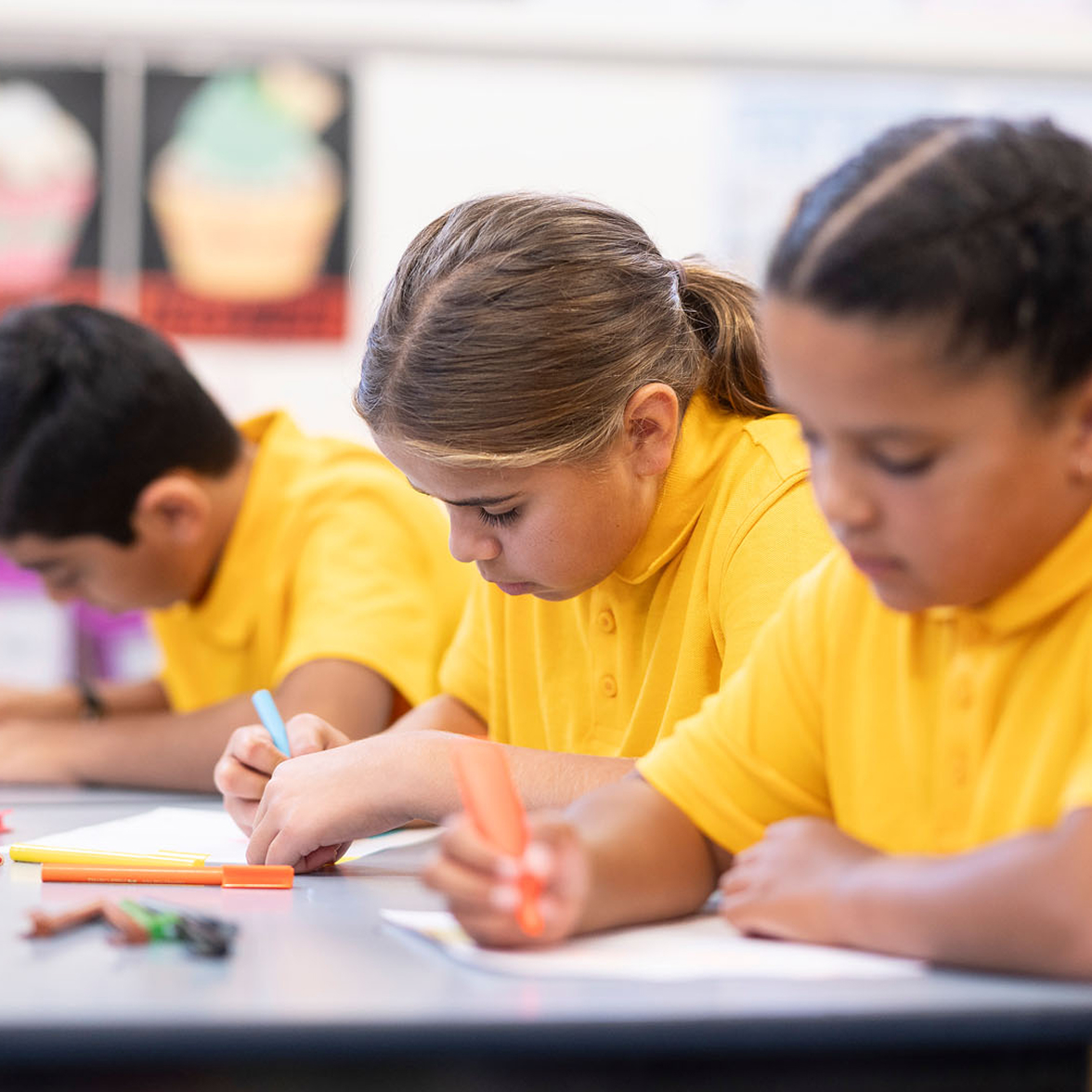
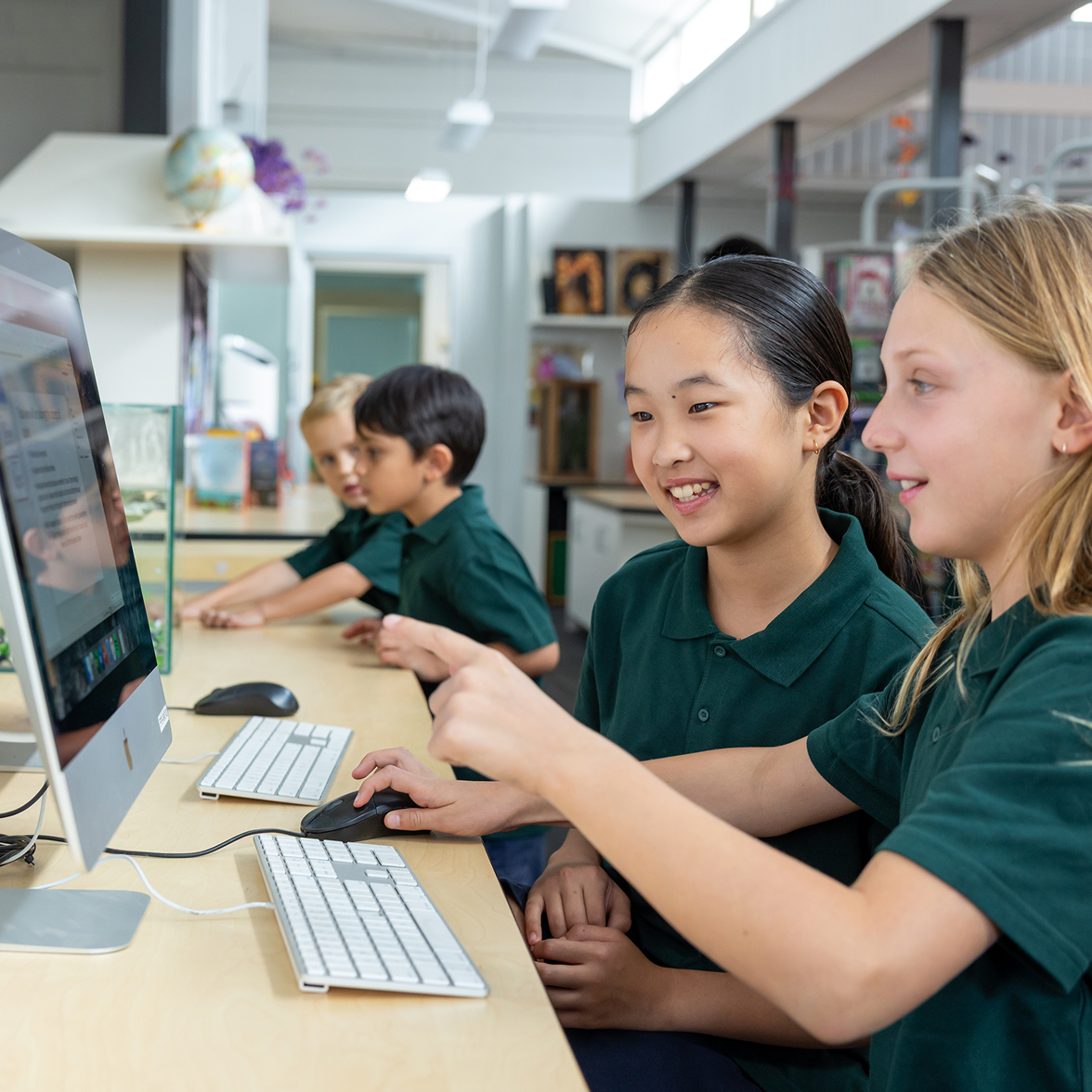
Students working together in classroom

EVERY STUDENT
SUCCEEDS

Specialised Support

Every child deserves the support they need to thrive. This means properly resourced programs for students with disability, learning difficulties, or those who are gifted and talented.

Currently, many schools struggle to provide adequate support due to funding constraints. Teachers often have to choose between supporting students with additional needs and delivering quality education to the whole class.

Key Points:

  • Fully fund the Nationally Consistent Collection of Data (NCCD) for students with disability
  • Provide specialist teachers and support staff
  • Ensure early intervention programs are available in every school
  • Support programs for gifted and talented students
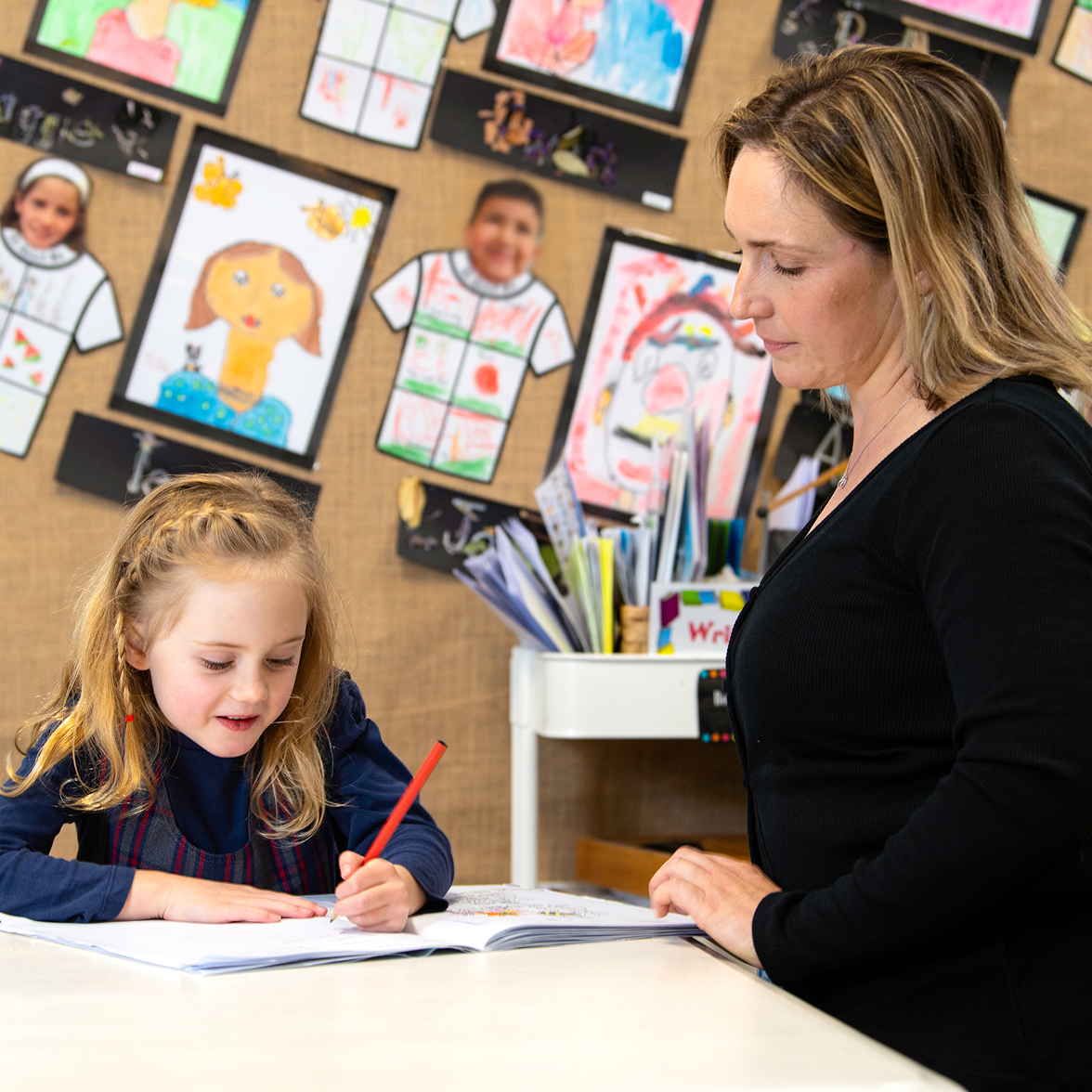
Student receiving individual support

SUPPORTING
ABORIGINAL &
TORRES STRAIT
ISLANDER CHILDREN

Closing The Gap

Aboriginal and Torres Strait Islander students face unique challenges and deserve culturally appropriate support and resources. This includes employing more Indigenous educators, developing culturally responsive curricula, and providing additional support services.

Schools need resources to create welcoming environments that celebrate Indigenous culture and support Indigenous students' educational journeys.

Key Points:

  • Increase Indigenous education workers in every school
  • Fund culturally appropriate learning programs
  • Support Indigenous language programs
  • Provide additional resources for remote and regional schools
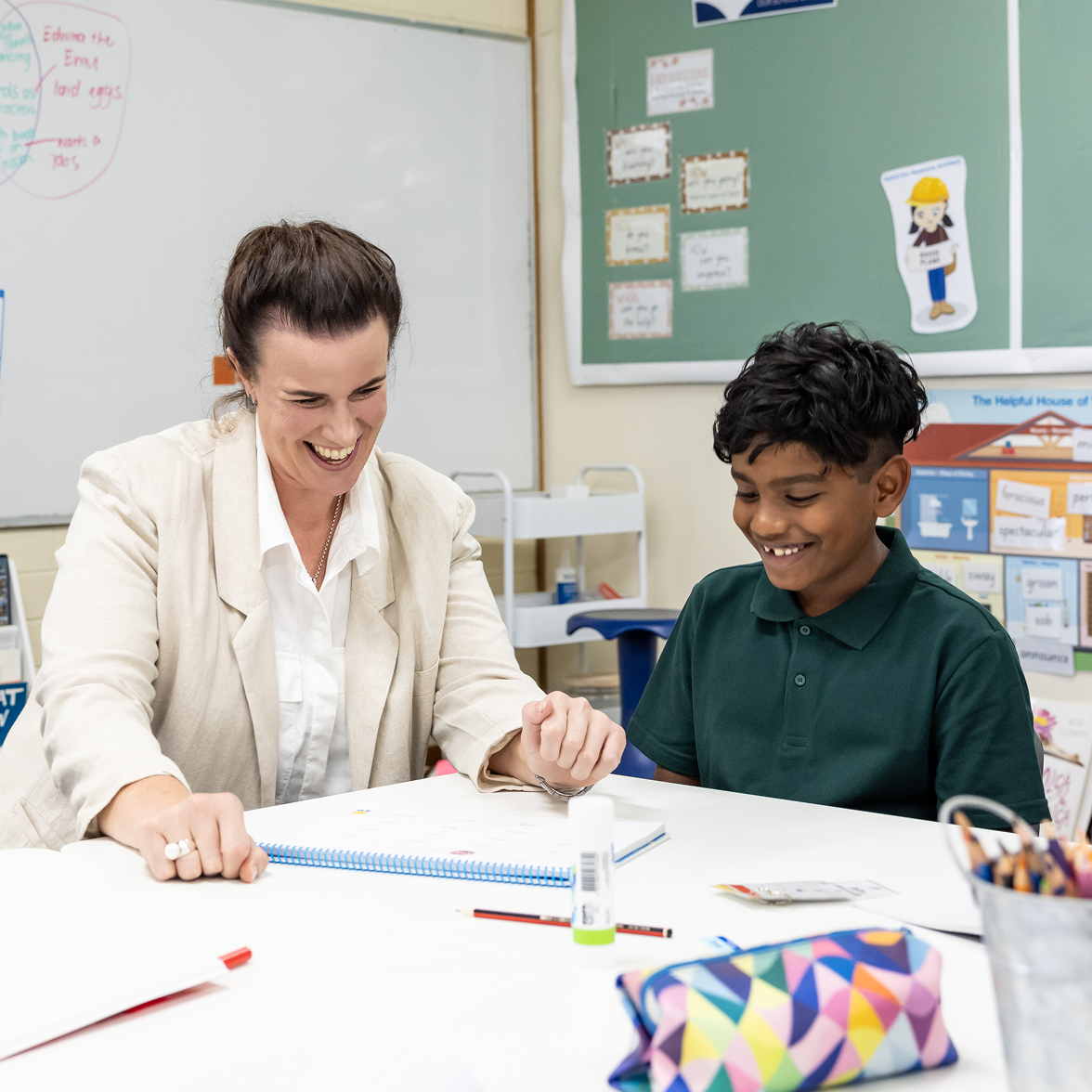
Teacher working with student

GIVING
TEACHERS TIME

Reducing Workload

Teachers are working longer hours than ever, with much of their time consumed by administrative tasks rather than teaching. This leads to burnout, stress, and ultimately impacts student learning.

We need to reduce unnecessary bureaucracy and give teachers more time to focus on what they do best - teaching.

Key Points:

  • Increase non-contact time for planning and preparation
  • Hire additional administrative staff to reduce teacher workload
  • Streamline reporting and compliance requirements
  • Provide adequate professional development time
Teacher planning lessons

IMPROVING
WELLBEING

Supporting the Whole Child

Student wellbeing is fundamental to learning. Schools need adequate counsellors, psychologists, and wellbeing staff to support students' mental health and social-emotional development.

The current ratio of school counsellors to students is inadequate. Many students wait weeks or months for support, by which time issues have often escalated.

Key Points:

  • Achieve a ratio of one counsellor per 500 students
  • Fund wellbeing programs in every school
  • Provide mental health first aid training for all staff
  • Support breakfast and lunch programs for students in need
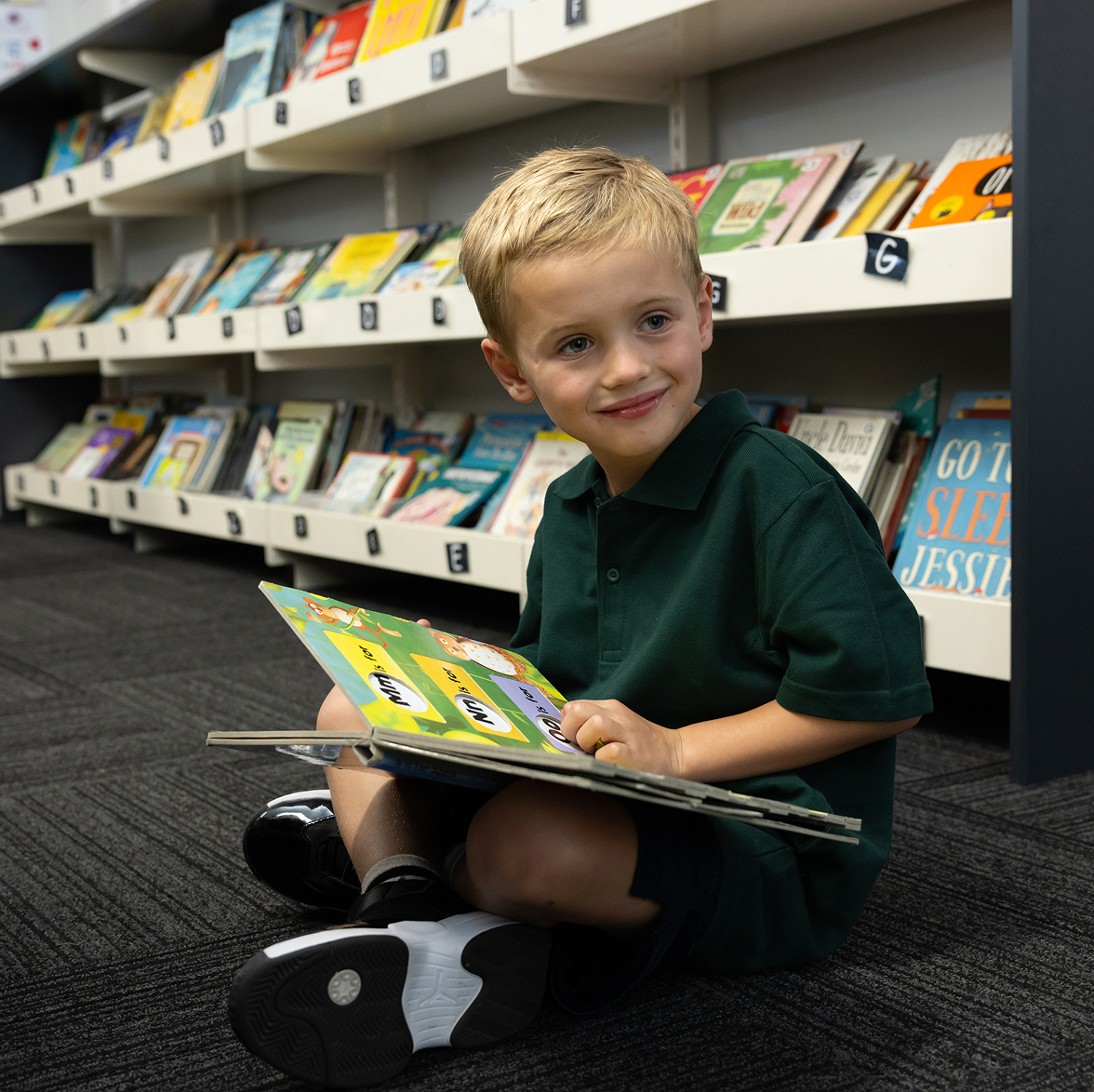
Happy student

BUILDING
THE FUTURE

Modern Learning Environments

Our students deserve modern, well-maintained facilities and up-to-date technology. Too many schools are operating in buildings that are decades old, with inadequate heating, cooling, and learning spaces.

Investment in infrastructure isn't just about buildings - it's about creating environments where students can thrive and teachers can deliver 21st-century education.

Key Points:

  • Upgrade aging school infrastructure
  • Provide modern technology and digital resources
  • Ensure all schools have adequate heating, cooling, and ventilation
  • Create flexible learning spaces for contemporary teaching methods
  • Invest in science labs, libraries, and specialist facilities
Students using technology

LATEST NEWS & UPDATES

A better education for every child.

A better education for every child.

November 05, 2025

Thanks to our collective efforts, we’ve secured historic agreements between the Albanese Government and the states and territories to start fixing the chronic underfunding of public schools.  

SHOW YOUR SUPPORT

By signing up, you join thousands of Australians demanding better education for generations to come.

JOIN THE COMMUNITY